


-7a35-04-26.jpg)
Showing up to softball with the wrong gear is like stepping into the batter’s box without a softball bat. Everything can fall apart before you even see the first pitch. Whether you’re a first-time player or gearing up for a new season, having the right equipment isn’t just about looking the part; it impacts safety, performance, and confidence on the field. The good news? You don’t need to buy everything at once or even guess your way through the aisle at your local sporting goods store
In this guide, the experts at JustBats break down the gear you need to get started or level up your game! Learn the must-have essentials every player needs to step on the field, the safety gear that may be required depending on your league or position, and the optional performance add-ons that can elevate your game, but may not always be necessary. By the end of this guide, you’ll be equipped to make confident and practical decisions without overspending or overlooking the gear that matters most.
What Do You Need for Softball? The Simple Checklist First
Before you get into all the extras, it helps to think about softball gear in three clear buckets.
- Required to play
- Required by certain leagues or positions
- Recommended for comfort and performance
Starting with the basics keeps things simple, and helps you avoid overbuying right out of the gate.
At the core, every player needs a few must-have essentials to step on the field like a glove. This should fit properly based on age and position. Next, a batting helmet is a must-have. Often times, a helmet will include a face guard, especially in youth leagues for added protection at the plate and on the bases. Another important essential is a bat. While some teams provide them, many players prefer to have their own for consistency and comfort. You’ll also need cleats, with molded or rubber options being the most common (and safest) choice for youth players. Finally, there are the uniform basics, which are often partially provided by the team but may still require players to purchase their own items like pants, socks, sliding shorts, or a belt.
Once these essentials are covered, you can build from there based on league rules and personal preferences.
The Must-Have Player Gear (Required in Most Leagues)
Before stepping onto the field, every softball player needs a core set of gear that’s considered essential across most leagues. While brands and styles can vary, fit, safety, and league compliance matter far more than labels or price tags. The right gear should help players move confidently, react quickly, and stay protected throughout the game. It’s also important to double-check your specific league’s rules, especially when it comes to bats and helmets since regulations can vary by age group and organization.
1: Fielding Glove or Mitt
A properly sized glove is one of the most important pieces of equipment, directly impacting a player’s ability to catch and control the ball. Most players will use a glove between 11–13 inches. Infielders typically prefer smaller gloves for quicker transfers, while outfielders benefit from larger gloves with deeper pockets to secure fly balls. Catchers and first basemen use position-specific mitts, designed with extra padding and a unique shape for handling harder throws.
When it comes to fit, the glove should feel snug but not painful, and the player should be able to open and close it without struggling. Keep in mind that new gloves often require a break-in period, which can affect performance early in the season. To extend its life, keep the glove dry, avoid tossing it under heavy gear, and store it with a ball in the pocket to help maintain its shape.
Check out JustGloves where you can find the largest selection of softball gloves! And they'll be with you from Click to Court! Click below to find the perfect glove for your player!

2: Softball Bat
While some teams provide shared bats, having a personal bat can make a big difference in comfort, confidence, and consistency at the plate. However, the most important factor is making sure the bat is of league approval. Bats must have the correct certification stamp required by your league (such as USA Softball or another governing body). Sizing is also key. The right bat should match the player’s height, strength, and ability to control their swing. Especially for newer players, swing control and solid contact are far more important than choosing the heaviest bat available. It’s also critical to choose the correct type of bat. Fastpitch and slow pitch bats are not interchangeable, and using the wrong one could result in disqualification.
3: Batting Helmet (Often with Face Guard)
Batting helmets are required for all hitters and base runners in most leagues, making them a non-negotiable piece of safety equipment. A proper fit is essential. The helmet should also feel snug and not painful, plus stay in place without shifting during movement. Avoid buying a helmet that’s too large with the idea of “growing into it,” as this can compromise protection.
Look for helmets that meet recognized safety standards, such as NOCSAE certification, which ensures they’ve passed specific impact tests. Many leagues also require a face guard, and even when it’s optional, it’s strongly recommended.
4: Cleats (Traction + Rules)
Cleats provide the traction players need for quick starts, sharp stops, and lateral movement on both dirt and grass surfaces. In most youth and recreational leagues, molded or rubber cleats are required, as metal cleats are often restricted for safety reasons. Comfort and fit should be a top priority. Cleats should feel secure, with no heel slipping, and provide enough support for running and pivoting. It’s a good idea to break them in before game day to avoid blisters and discomfort during play.
5: Uniform and Apparel Basics
Uniform requirements can vary by team, but most players will need a combination of team-issued and personal items. Typically, teams provide the jersey, while players may need to supply their own softball pants or shorts, socks, and sometimes a belt. For practice, standard athletic wear is usually fine, but wearing cleats during practice can help players get used to game-day traction. As players get more comfortable, many also add sliding shorts under their uniform for extra protection against scrapes and bruises, helping bridge the gap between basic apparel and additional protective gear.
Softballs and Ball Sizes
Softball size might seem like a small detail, but it plays a big role in how the game feels, especially for developing players. The two most common sizes you’ll see are 11-inch and 12-inch softballs. Which one you use depends on the player’s age division and league format.
The 11-inch softball is typically used in younger divisions and some slow-pitch formats. It’s slightly smaller, making it easier for younger players to grip, throw, and control. This can help build confidence early on, especially when learning proper throwing mechanics, catching technique, and overall field awareness. Because the ball is easier to handle, players can focus more on fundamentals rather than struggling with hand strength.
The 12-inch softball is the standard for older fastpitch players and most adult leagues. It requires more hand strength to grip and throw effectively, and it often comes off the bat with more speed and force. This adds a higher level of challenge and helps prepare players for more competitive play as they grow and develop.
Ball size directly impacts gameplay. A larger ball changes how it sits in the glove pocket, how securely it can be caught, and how quickly it can be transferred for a throw. It also affects grip, which plays a major role in throwing accuracy, velocity, and overall control in the field.
Planning tip: Always confirm your league’s ball size early in the season. This ensures your glove selection, practice reps, and overall feel match what you’ll experience in games, helping players transition more smoothly and perform with confidence.
Safety & Protective Gear
While the basics get players on the field, safety and protective gear help keep them there healthy, confident, and ready to compete. These items aren’t always required for every player, but many leagues mandate certain pieces based on age or position. Even when optional, they can significantly reduce injury risk and improve comfort during play. The key is choosing gear that fits properly without limiting movement or visibility.
1: Fielder’s Face Mask (Especially Infield/Pitcher)
A fielder’s face mask is one of the most important protective add-ons, especially for players positioned close to the batter. Hard-hit balls can travel quickly, giving players little reaction time.
This gear is most relevant for pitchers and corner infielders, as well as younger athletes still developing their reflexes. Many youth leagues now require them for infield play. Fit is everything. The mask should feel secure, stay in place during movement, and never obstruct vision. A well-fitted mask allows players to react naturally while adding a critical layer of protection.
2: Sliding Shorts / Padded Sliders
Sliding shorts are designed to reduce scrapes, bruises, and discomfort when players slide into bases or dive for balls. They’re especially valuable for players who are learning proper sliding technique, those who play aggressively on the base paths, or athletes participating in tournaments with multiple games in a short time. While not always required, they quickly become a go-to piece of gear for both comfort and confidence.
3: Batting Gloves
Batting gloves help improve grip on the bat, reduce sting from contact, and prevent blisters during repeated swings. They’re particularly useful during long practices, colder weather, or for players who spend a lot of time hitting. While optional, they can make a noticeable difference in comfort and consistency at the plate.
Some players opt for additional protection like a mouthguard, especially if they wear braces or want extra security during close plays at bases. Other small add-ons may include items like wrist guards or protective sleeves, but these should be viewed as optional, not essential. The goal is to enhance safety without overloading players with unnecessary gear.
Position-Specific Gear Checklist
Not every piece of softball gear is meant for every player. Some items are position-specific, meaning they only become necessary when a player consistently plays a certain role on the field. For families, this is an important area to approach strategically. Waiting until a position is more permanent before investing can help avoid unnecessary spending.
1: Catcher’s Gear (The Full Set)
Catchers require the most specialized equipment on the field. A full set includes a catcher’s helmet or mask, chest protector, and leg/shin guards, all designed to absorb repeated impact from pitches and foul tips.
They also use a catcher’s mitt, which is thicker and more heavily padded than a standard glove to handle high-speed throws.
Many teams provide shared catcher gear, especially at younger levels. However, as players advance, having personal gear can improve fit, comfort, and consistency behind the plate.
Can't get behind the plate without the right gear...... Head to Field General for all of your Catcher's Sets needs!

2: First Base Mitt
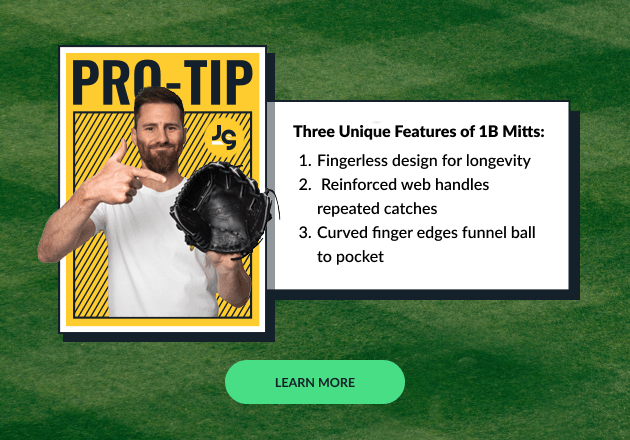
A first base mitt is specifically designed to help players scoop low throws and secure catches at the bag. It’s longer shape and deeper pocket make it easier to handle errant throws. This mitt becomes most valuable once a player regularly plays first base. Until then, a standard glove is typically sufficient.
3: Pitcher and Corner-Infield Priorities
For pitchers and corner infielders, protection is the priority. A fielder’s face mask is often the most important addition for these positions due to the speed of incoming hits.
Some players also use compression sleeves or long socks to reduce abrasions from sliding or diving on dirt and turf. These are minor comfort upgrades but can make a difference over time.
Gear Bag, Organization, and “Don’t Lose Your Stuff” Systems
A good gear setup isn’t just about what you bring, it’s about how you organize and manage it. Having the right softball bag and a simple system in place can make a big difference in how smoothly game days and practices go. A reliable bag should be able to carry all the essentials, including a glove, helmet, cleats, water bottle, snacks, and even small first-aid items. Many bags also come with bat sleeves or external holders, making it easy to grab bats quickly without digging through everything else.
Organization is where players can really gain an edge. Keeping a separate compartment for dirty cleats helps protect clean gear and keeps everything more sanitary, especially during long tournament days. A fence hook or carabiner is another small but impactful feature, allowing players to hang their bag in the dugout so it stays off the ground, clean, and easily accessible between innings.
Labeling gear is one of the most overlooked, but effective habits. Adding a name or tag to helmets, bats, gloves, and bags helps prevent mix-ups, which are common when multiple players have similar equipment. This is especially helpful during tournaments, practices, or shared dugout spaces where gear can easily get shuffled around.
Another key to staying organized is building a readiness routine. Packing your bag the night before games, practices, or tryouts ensures nothing gets left behind and removes the stress of last-minute scrambling. It also gives players time to check that everything is in good condition…cleats are dry, gloves are packed, and essentials are ready to go.
At the end of the day, a well-organized bag doesn’t just keep things tidy, it helps players stay focused, confident, and prepared every time they step onto the field.
Tryouts & Game-Day Extras That Make Life Easier
Beyond the basics, a small set of extras can make a big difference on game day. These items help players stay comfortable, focused, and prepared for anything, without overcomplicating their gear. Think of this as a go-to essentials kit that lives in your bag and covers the little things that can quickly become big distractions if overlooked.
1: Hydration and Sun/Heat Protection
Staying hydrated is critical for performance. A water bottle is a must-have for every player, and during longer practices, doubleheaders, or tournament weekends, adding an electrolyte drink can help maintain energy levels and prevent fatigue. Hydration directly impacts focus, reaction time, and endurance…especially in hot weather.
Sun protection is just as important for outdoor play. Items like sunscreen, secure sunglasses, and a hat or visor (if allowed by the league) help protect players from prolonged sun exposure. Without proper protection, heat and sun can lead to discomfort, decreased performance, and even heat-related issues. Taking a few minutes to prepare for the elements can go a long way in keeping players sharp and comfortable throughout the game.
2: Small First-Aid and Comfort Kit
A compact first-aid kit is one of the most practical additions to any softball bag. Essentials like bandages, athletic tape, blister pads, and antibiotic ointment can quickly address minor cuts, scrapes, or hotspots before they become bigger problems.
Adding wipes and hand sanitizer is also helpful, especially during tournaments or long days at the field. These small items help players stay clean between innings, after slides, or before grabbing a quick snack, keeping both comfort and hygiene in check.
3: Quick Repair Items
Sometimes, it’s the smallest items that save the day. Packing extra hair ties, spare socks, a belt, or athletic tape can quickly solve unexpected issues like broken accessories or missing uniform pieces.
For minor gear adjustments, a small tool like a screwdriver or Allen key can come in handy, though it’s optional. Having these quick fixes on hand ensures players can stay game-ready without unnecessary stress or interruptions.
What’s Usually Team-Provided vs What Families Must Buy
Understanding what your team provides versus what you need to purchase can save both time and money, especially for families new to the sport. Softball can come with a long gear list, but not everything needs to be bought upfront. Taking a few minutes to confirm what’s included through your league or team can help you avoid unnecessary spending and focus on what truly matters.
While it varies by organization, many teams typically provide uniform basics such as jerseys, socks, and sometimes belts. In some cases, teams may also have shared equipment available, including bats, catcher’s gear, and occasionally fielder’s masks. This is especially common in younger or recreational leagues where the goal is to keep participation accessible and affordable.
On the other hand, players are usually responsible for purchasing their own core personal gear. This includes a glove, batting helmet (often with a face guard), cleats, softball pants, sliding shorts, and a gear bag. These are items that need to fit the player properly for both safety and performance, which is why they are rarely shared. While bats may be available for team use, many players choose to invest in their own bat to build consistency, improve comfort, and develop confidence at the plate.
The most important step is to check with your coach or league before making any purchases. This simple step helps prevent duplicate buys like purchasing a bat or helmet that’s already provided, and ensures you’re meeting league requirements. From there, families can prioritize the essentials first and gradually upgrade or add gear as the player grows, develops skills, and becomes more committed to the game.
How to Choose the Right Gear
Choosing softball gear doesn’t have to be overwhelming if you follow a simple order: start with rules, prioritize fit, then consider budget. This approach helps ensure players get what they actually need, without wasting money on gear that won’t be used.
Check out the video below as one of our Experts shows you a few options when you are looking for performance slow pitch softball bats!
Picking the Right Bat When You’re Ready to Upgrade
Once you’ve covered the basics and understand your league’s rules, choosing a bat becomes a matter of finding the right fit for your swing and playing style.
Key factors include league approval, ensuring the bat has the correct certification (such as USA Softball), and selecting the right type, fastpitch or slow pitch, based on your format. Material also plays a role, with options like aluminum and composite offering different feels and performance benefits.
Budget is another consideration, but the best bat is one the player can control confidently and swing consistently.
If you’re ready to explore options, you can browse a wide selection of fastpitch and slow pitch models on the JustBats softball bats page. You can also connect with Bat Coaches for personalized help at 866-321-2287, email support@justbats.com, or use live chat for quick guidance.
FAQ — What People Ask About Softball Gear
Q: What stuff do you need to play softball?
A: At a minimum, players need a glove, batting helmet (often with a face guard), cleats, and basic uniform pieces. Some teams provide bats, but many players use their own for better consistency. Requirements can vary by league and age group, especially when it comes to safety gear.
Q: What do you need to start playing softball?
A: To get started, focus on a properly fitting glove, certified helmet, and comfortable cleats. From there, players can gradually add items like sliding shorts or batting gloves as they commit more to the sport. Practice clothing is flexible, but games require standard uniform pieces.
Q: What should I get for softball?
A: Start with safety gear first, then traction (cleats), followed by comfort items. Position-specific gear should come last. This approach helps avoid overspending while still covering the essentials.
Q: How expensive is it to play softball?
A: Costs depend on what the team provides, the level of play, and whether you purchase a personal bat. A smart approach is to buy required items first and upgrade over time. Proper care can also extend the life of gear and reduce replacement costs.
Q: Do you need your own bat for softball?
Not always, many teams offer shared bats. However, having a personal bat can improve comfort and confidence. Just make sure it meets league requirements and matches the correct format (fastpitch vs slow pitch).
--
